You know, a Diesel Generator Set, or DG Set for short, is pretty much a lifesaver in a bunch of industries. I came across a report from Grand View Research that says the global diesel generator market was sitting around $18 billion in 2021—that’s a huge chunk of change! And get this, it's expected to keep growing at a steady pace of over 6% each year from 2022 all the way to 2030. People tend to pick these generators because they’re reliable and get the job done efficiently, especially when you need backup power or are out in the middle of nowhere.
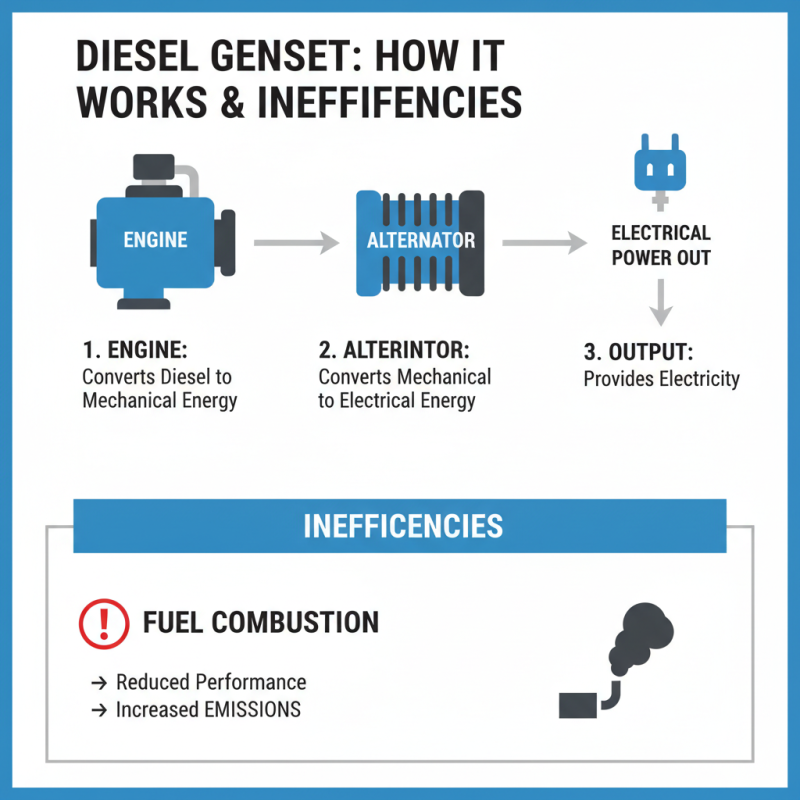
Basically, these systems work by burning diesel fuel to produce mechanical energy, which then powers an alternator to generate electricity. They’re built to run non-stop, which makes them perfect for emergencies or remote locations. But, and here’s the catch, they’re not exactly the cleanest option. The EPA has pointed out that emissions from diesel exhaust — like nitrogen oxides and particulates — aren’t great for the environment, to put it mildly.
Of course, a lot of industries depend on these generators, but running them isn’t cheap either. The costs add up over time, which makes people wonder about whether they’re sustainable in the long run. Some critics are pushing for greener alternatives, saying we really should be exploring new and better ways to make energy. With the demand for reliable power only increasing, it’s definitely worth chatting about what the future holds for Diesel Generator Sets — are they still the best option, or do we need to rethink things?
What is a Diesel Generator Set?
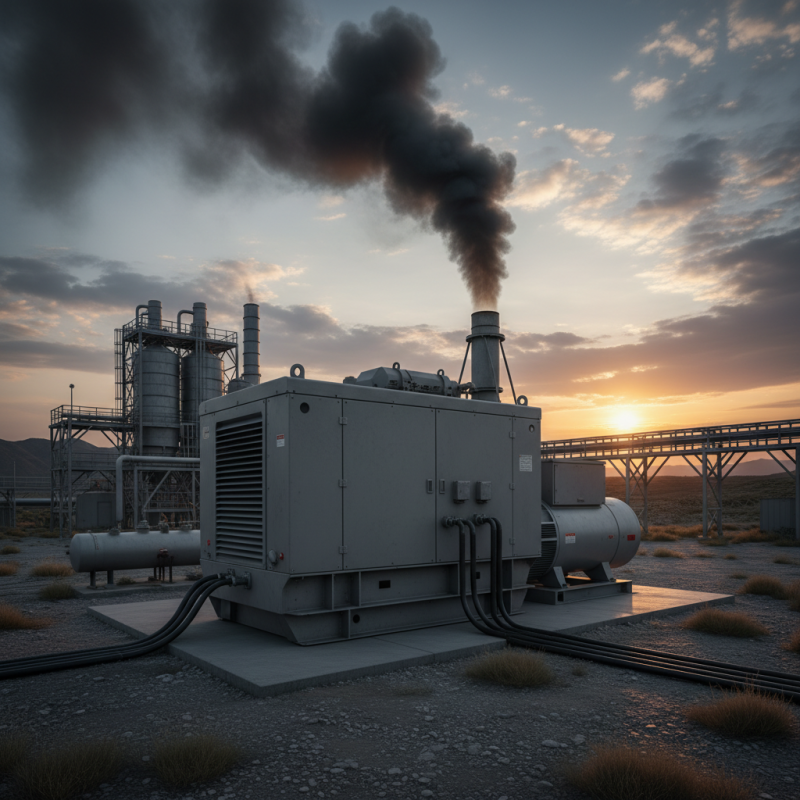
A diesel Generator Set, often known as a diesel genset, is a combination of a diesel engine and an electric generator. This machine converts diesel fuel into mechanical energy. It is a reliable power source in various situations. Commonly, you will find these setups in construction sites, hospitals, and remote locations lacking reliable power.
The diesel engine operates by burning diesel fuel, which creates energy to turn the generator's rotor. The rotor then generates electricity. This process is efficient but not without drawbacks. Diesel engines can be noisy, and emissions can be a concern. Users need to consider these factors when selecting a power source.
In many cases, gensets are used as backup power systems. They kick in when the main power supply fails. However, not all diesel generators are created equal. Some consumers might find themselves overpaying for features they don’t need. Understanding the specific requirements can help avoid unnecessary expenses while ensuring reliable performance during power outages.
Key Components of a Diesel Generator Set
A diesel generator set, commonly known as a diesel genset, consists of several key components. The engine is the heart of the genset. It converts diesel fuel into mechanical energy. This energy then drives the alternator, which transforms it into electrical energy. The process sounds straightforward, but inefficiencies can arise, particularly in fuel combustion. This affects performance, leading to more emissions and operational issues.
The alternator is another crucial element. Its job is to generate electricity. It must match the requirements of the power system. This task can be tricky. If the load fluctuates, the alternator must adapt quickly to avoid overloading. The control panel monitors and regulates output. It also tracks parameters like voltage and frequency. A malfunction here can cause system failures, which are often challenging to troubleshoot.
Fuel tanks store the diesel. Proper management of fuel levels is vital. Low fuel can lead to complete shutdowns, disrupting power supply. The cooling system prevents the engine from overheating, a common problem in heavy use. Keeping this system well-maintained can be the difference between reliability and failure. Regular checks are necessary to catch issues before they escalate. Each of these components must work in harmony for optimal performance.
How Diesel Generators Convert Fuel to Energy
Diesel generators play a crucial role in energy production. They convert fuel into electrical energy through a series of steps. The process begins with diesel fuel being injected into the engine's combustion chamber. Here, it mixes with air and is ignited by compression. According to the International Energy Agency, diesel generators are widely used for backup power, holding nearly 35% of the global market share.
When the fuel combusts, it creates pressure that pushes the pistons. As these pistons move, they turn the crankshaft, which is connected to the generator. The mechanical energy from the crankshaft drives a rotor within a magnetic field. This interaction generates electricity through electromagnetic induction - a principle that has been fundamental to generator design for decades. Reports suggest that diesel generators maintain an efficiency rate of about 80%, though there are challenges.
Despite their efficiency, diesel generators can produce harmful emissions. Nitrogen oxides and particulate matter are common byproducts. The need for compliance with environmental regulations is ever-increasing. This raises questions about sustainability. There is ongoing research to reduce the carbon footprint of diesel power. Exploration of cleaner fuels is a necessary step forward. Balancing energy needs with environmental responsibility is a complex challenge.
Efficiency of Diesel Generators by Load Percentage
This chart illustrates the efficiency of diesel generators at various load percentages. As the load increases, efficiency typically improves up to a certain point, after which it may decline. Maintaining optimal load levels is crucial for achieving the best performance from diesel generators.
Understanding the Working Principle of Diesel Engines
A diesel engine operates based on a simple principle. It ignites fuel through compression. This process produces power, which drives the generator. During compression, air is heated to a high temperature. Then, diesel fuel is injected. The fuel ignites and creates rapid expansion. This expansion generates power to turn the crankshaft.
Different parts work together in harmony. The fuel system supplies diesel to the engine. The air intake system ensures a steady flow of air. The exhaust system removes waste gases. Each component plays a crucial role. A malfunction in one part can affect the entire system. Regular maintenance is necessary to avoid issues.
The operation is efficient but not perfect. An inefficient combustion process can lead to increased emissions. Sometimes, noise levels can be bothersome, impacting nearby environments. Observing these details can help improve efficiency. Small changes often make a big difference in performance. Understanding these principles allows for better use and troubleshooting of diesel generators.
Common Applications of Diesel Generator Sets
Diesel generator sets are versatile power sources. They are widely used in many sectors. Construction sites, for example, often rely on diesel generators. These machines provide reliable power to operate heavy equipment. In remote areas, they serve as primary power sources. Without a reliable electric grid, diesel generators become essential.
Hospitals also benefit from these units. They ensure a continuous power supply during outages. A failed generator can lead to critical risks. That’s why maintenance is crucial. Regular checks can prevent unexpected failures. Similarly, events like concerts or festivals depend on these generators. They guarantee sound systems and lighting function seamlessly. The importance of planning and preparation can't be overstated.
However, operating a diesel generator comes with challenges. Noise levels can be a nuisance in quiet environments. Emissions are another consideration. Stakeholders must address environmental impacts seriously. This requires ongoing discussions about cleaner alternatives. There’s always room for improvement in efficiency and eco-friendliness. Decisions about fuel types and maintenance frequency deserve careful thought. It's a complex balance of power needs and environmental responsibility.
What is a Diesel Generator Set and How Does It Work? - Common Applications of Diesel Generator Sets
| Application | Power Rating (kW) | Typical Use | Operation Hours |
| Construction Sites | 20 - 200 | Site Equipment Power Supply | Daily |
| Hospitals | 100 - 1000 | Emergency Power Supply | Continuous |
| Events | 10 - 500 | Power for Equipment and Lighting | Temporary |
| Retail Stores | 30 - 300 | Backup Power | As Needed |
| Telecommunications | 5 - 200 | Uninterrupted Service | Continuous |
Advantages and Disadvantages of Diesel Generators
Diesel generators are popular for their reliability and power. However, they come with both advantages and disadvantages that must be considered. One significant advantage is their fuel efficiency. According to the U.S. Energy Information Administration (EIA), diesel generators can convert nearly 40% of the fuel's energy into electricity. This efficiency is higher than that of gasoline-powered generators.
Another advantage is their durability. Diesel engines often last longer than gasoline engines, with some units operating for over 10,000 hours. This longevity can lead to lower operating costs and fewer replacements. However, maintenance can be a challenge. Regular oil changes and part replacements are essential to keep the generator functioning optimally.
On the downside, diesel generators emit more pollutants than other types of generators. The U.S. Environmental Protection Agency (EPA) has noted that diesel exhaust contains harmful nitrogen oxides and particulate matter. These emissions can contribute to air quality issues. Also, diesel fuel can be more expensive compared to natural gas. Prices vary based on location and market conditions. Users should weigh these pros and cons carefully when considering the use of diesel generator sets for their power needs.
Maintenance Tips for Diesel Generator Sets
Proper maintenance of diesel generator sets is crucial for their reliable operation. Regular inspections can help identify potential issues before they escalate. Start with checking the oil levels and replacing it according to the manufacturer’s guidelines. Clean or replace air filters regularly. Clogged filters can strain the engine, leading to reduced efficiency.
Fuel quality is essential, too. Contaminated fuel can cause engine problems, so ensure you use clean fuel. Implement a regular fuel polishing routine if necessary. Keep an eye on battery condition; corrosion and weak connections should be addressed promptly. Additionally, scheduling routine testing of electrical components can prevent unexpected failures.
Don’t forget about the cooling system. Monitor coolant levels and check for leaks. Overheating can lead to serious damage. Maintain proper ventilation around the generator set for optimal performance. Keep detailed records of maintenance work. This can provide insights into patterns and help adjust future maintenance schedules. Reflect on what works and what doesn’t, making changes as necessary.
Conclusion
A Diesel Generator Set is a vital power generation system that utilizes diesel engines to produce electricity. It consists of several key components including the engine, alternator, and fuel system, which work together to convert diesel fuel into mechanical energy. Understanding how diesel generators function involves recognizing the basic principles of diesel engines, which compress air to ignite the fuel for efficient energy generation.
Diesel Generator Sets have a wide range of applications, from providing backup power in residential areas to supporting industrial operations. While they offer advantages such as reliability and high efficiency, they also have drawbacks, including emissions and fuel costs. Proper maintenance is crucial to ensure their longevity and optimal performance, making routine checks and servicing an essential part of operation.